Is Solar Worth It in Bengaluru in 2026?
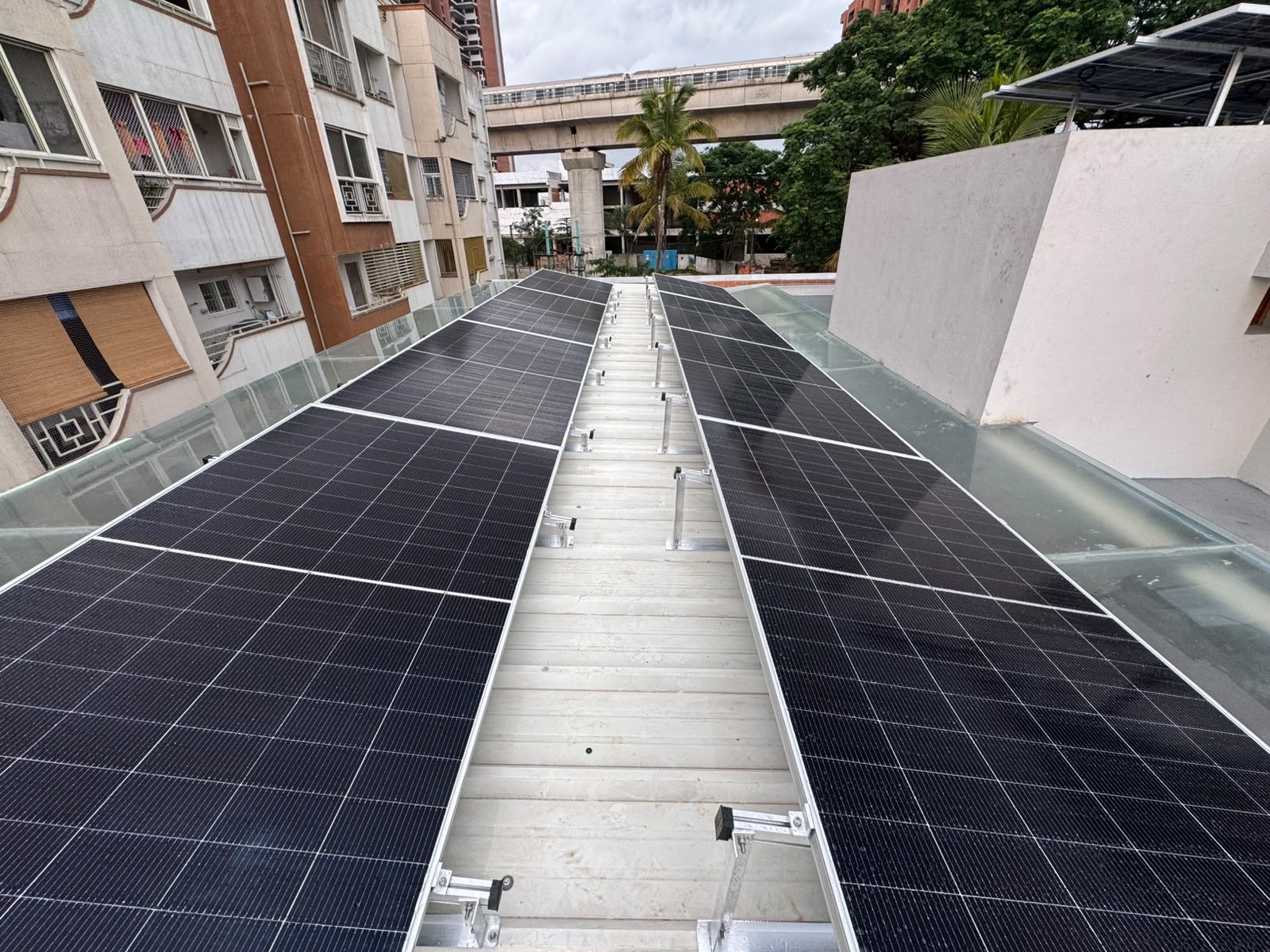
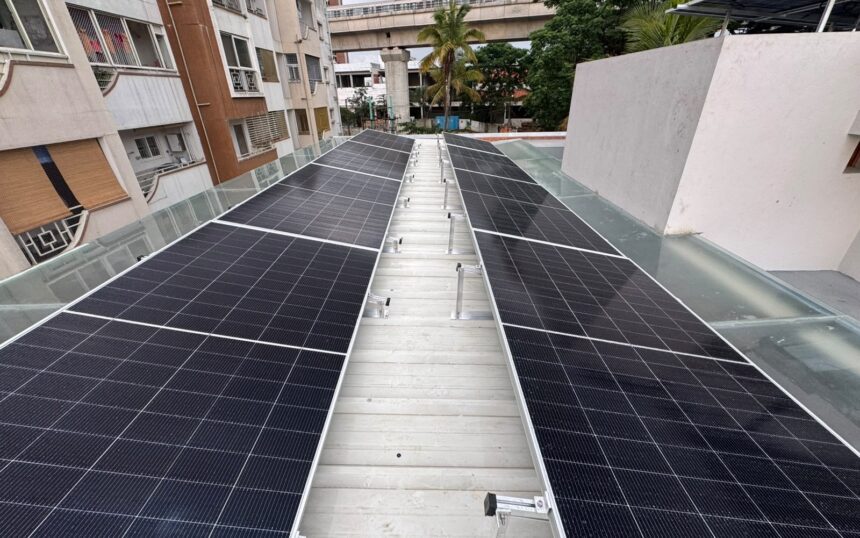
If you are tired of paying a high electricity bill every month, you have probably considered installing solar on your rooftop. Before diving in, most homeowners ask one simple question: Is solar actually worth it in Bengaluru in 2026?
For many homes and businesses in Bengaluru, solar is a highly sensible, long-term investment. However, there is no one-size-fits-all answer. The right system depends entirely on your electricity consumption, roof space, available sunlight, and lifestyle.
At LightLeader, we have designed and installed residential, commercial, and industrial solar projects across Bengaluru. Experience has taught us that a successful solar installation doesn’t start by pushing a standard system-it starts with understanding your actual energy requirements.
Why Are More People Going Solar in Bengaluru?
Electricity is a relentless household and business expense that never takes a month off. A rooftop solar system flips the script, giving you the power to generate your own electricity instead of buying it all from the grid.
For homeowners, this translates to significantly lower long-term energy bills. For businesses, the impact is even greater, as electricity often makes up a massive portion of daily operating expenses. Bengaluru is uniquely suited for this transition, blessed with excellent solar radiation for most of the year.
However, sunlight alone isn’t enough. Your roof’s size, direction, structural health, and shading all play a critical role, alongside a careful study of your daily power consumption.
How Much Does Solar Cost in Bengaluru?
There is no single price for a solar installation in Bengaluru.
The final cost depends on the size of the system and the equipment used. Roof conditions and installation requirements can also change the project cost.
- Solar panel capacity and technology
- Inverter capacity and type
- Mounting structure
- DC and AC cables
- Earthing and protection systems
- Roof structure
- Installation work
- Monitoring system
- Battery storage, if required
- Approvals and metering requirements
A 3kW residential system will obviously have a different cost from a 10kW system or a commercial solar plant.
This is why comparing two solar quotations only by their final price can be misleading. The equipment and scope of work included in each quotation should be compared as well.
What Makes Solar Worth the Investment?
The biggest reason people choose rooftop solar is the potential reduction in their electricity expenses.
Your savings depend on how much electricity your solar system produces and how much of that electricity your property uses.
For example, a home that consumes a significant amount of electricity during the day may be able to use a good portion of its solar generation directly.
A system connected to the grid can also use the applicable net-metering arrangement to handle surplus generation, subject to the prevailing utility rules.
This is why solar savings in Bengaluru should be calculated for each property instead of using the same savings figure for every customer.
What About the PM Surya Ghar Subsidy?
For eligible residential consumers, the PM Surya Ghar: Muft Bijli Yojana can reduce the initial investment in rooftop solar.
The central financial assistance currently provides:
- ₹30,000 per kW for the first 2kW
- ₹18,000 for the additional 1kW
- Maximum central assistance of ₹78,000 for systems of 3kW and above
The subsidy is applicable subject to the scheme’s eligibility requirements and current government guidelines.
If you are searching for solar subsidy in Bengaluru, it is important to understand that the subsidy is only one part of the overall calculation.
You should also look at the system cost, expected generation, electricity consumption and long-term savings.
Sizing Your System: Is 3kW or 5kW Right for You?
You shouldn’t choose a 3kW system just because it is the most common size on the market. While 3kW is great for households with moderate consumption, larger homes running multiple air conditioners, water heaters, and heavy appliances will likely need a 5kW system or more.
At LightLeader, we base our system designs strictly on your past electricity bills, load requirements, and available roof space. Installing an oversized system wastes money, while an undersized system won’t meet your expectations. Let the data dictate the size.
Can Solar Help Businesses in Bengaluru?
Absolutely. Businesses with suitable roof space can drastically cut their reliance on grid electricity. At LightLeader, we engineer solar solutions for offices, commercial buildings, industries, warehouses, hospitals, and villa communities.
For instance, we recently completed a 25kW on-grid installation at an industrial facility in Peenya, designed specifically to offset heavy daytime consumption. Commercial calculations differ entirely from residential ones, requiring a deep dive into operating hours, tariff structures, sanctioned loads, and roof capacity.
What About Hybrid Solar With Battery Backup?
Not everyone is just looking to lower their bills – many want protection against power cuts. If reliable backup is a priority, a hybrid solar system is the answer.
A hybrid system combines solar panels, battery storage, and the grid. You use solar power during the day and rely on stored battery energy when the grid goes down. We recently installed a 5kW hybrid system in Sarjapur, tailored to keep critical home appliances running smoothly during outages. Just remember: battery capacity should be matched precisely to the appliances you need to back up. Bigger isn’t always better.
Does Solar Work During Bengaluru’s Monsoons?
Yes. Solar panels continue to generate electricity even when the weather is cloudy or rainy, though the output will be lower compared to a bright summer day. A well-designed system is evaluated based on its annual performance, factoring in Bengaluru’s seasonal changes, rather than a single rainy afternoon.
How Long Does It Take to Recover the Investment?
This is known as the solar payback period, calculated simply as: Net Investment ÷ Annual Savings.
For example, if a subsidized solar setup costs ₹2,00,000 and saves you ₹40,000 a year on bills, your payback period is five years. After that, the electricity generated is essentially free. Your actual ROI will depend on your specific tariff, consumption, and setup.
Choosing the Right Solar Company in Bengaluru
Solar panels will sit on your roof for 25 years. The company that puts them there needs to be reliable enough to support you long after the installation day. When evaluating installers, check their:
- Experience: Ask to see local residential and commercial case studies.
- Custom Design: Ensure they base their proposal on your actual bills, not guesswork.
- Component Quality: Check the brands of panels, inverters, and protection equipment they use.
- Installation Standards: Quality mounting and wiring prevent roof leaks and electrical hazards.
- Net-Metering Support: Find out who handles the utility paperwork and approvals.
- After-Sales Service: Know exactly who to call if an inverter shows an error code.
Why Choose LightLeader?
Based right here in Bengaluru, LightLeader has successfully commissioned over 300 solar projects since 2018. We don’t believe in generic packages because our portfolio proves that every property is unique:
- 3kW on-grid setups in Marathahalli
- 5.5kW microinverter systems in Ramamurthy Nagar
- 12kW on-grid solutions for Kengeri villa communities
- 16kW off-grid systems for a Gotigere hospital
- 25kW industrial plants in Peenya
Whether you need a compact on-grid system, a battery-backed hybrid, or a heavy-duty industrial plant, we manage the entire process – from custom design and supply to installation, commissioning, and maintenance.
FAQ
Yes, for most homes and businesses, it is a highly practical investment. Your exact savings will depend on your consumption, equipment, and net-metering arrangement.
Costs vary based on system capacity, equipment quality, roof conditions, and battery requirements. A site assessment provides the most accurate estimate.
Eligible homes can receive up to ₹78,000 under the PM Surya Ghar scheme for systems 3kW and above.
A 3kW system covers moderate usage, while a 5kW system is better for homes with multiple ACs or high-load appliances. Your electricity bill holds the definitive answer.
On-grid is best for maximizing ROI and lowering bills. Hybrid is necessary only if you experience frequent power cuts and need battery backup.
Before you make a decision, let the numbers guide you. Share your latest electricity bill and rooftop details with the LightLeader team. We will help you cut through the noise and design a solar solution that perfectly fits your property and your budget.